By Anna Barnes
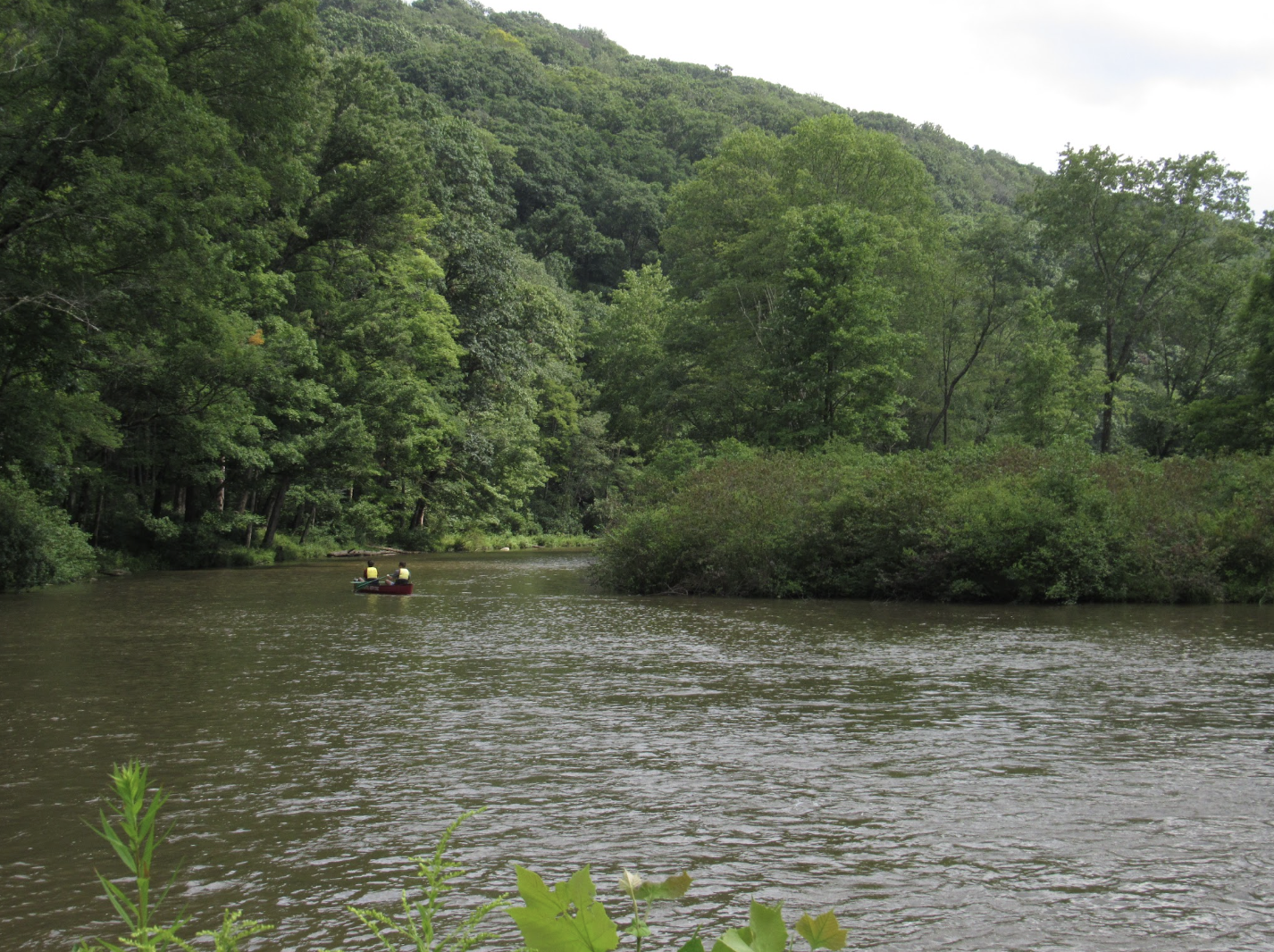
Cover image credit: Anna Barnes
Since beginning my work with UACC over two years ago, I have wanted to learn more about Appalachian culture. Growing up in the suburbs of Northeast Ohio, I felt a great distance from this topic. I don’t remember learning anything about Appalachia until I was in my twenties, student teaching in Northwest Ohio, when I encountered a single section of one class syllabus involving literacy rates in Appalachia. And that was it. That was the only thing I ever heard about Appalachia until I moved to Cincinnati, though many Appalachians have migrated into all parts of Ohio all around me over time. This blog post, originally thought of as “Appalachia 101,” is for anyone like me who has heard the word “Appalachia” but doesn’t understand its meaning.
During my research on this topic, I was simultaneously doing my own genealogical research and became aware that some of my potential ancestors lived in parts of West Virginia and eastern Kentucky, giving me a strong Appalachian spirit that I never knew I had. Suddenly it made sense that I related on such a deep level to everything I was learning about. I implore the reader to consider the ways they personally relate to the Appalachian culture described here.
Notable Appalachians
Appalachia has long been home to diverse Indigenous peoples and communities, as well as those who arrived through migration and settlement, including many Scots-Irish in the 1700s. Although there are many notable Appalachians throughout history, this section focuses on a small selection I have personally found noteworthy.
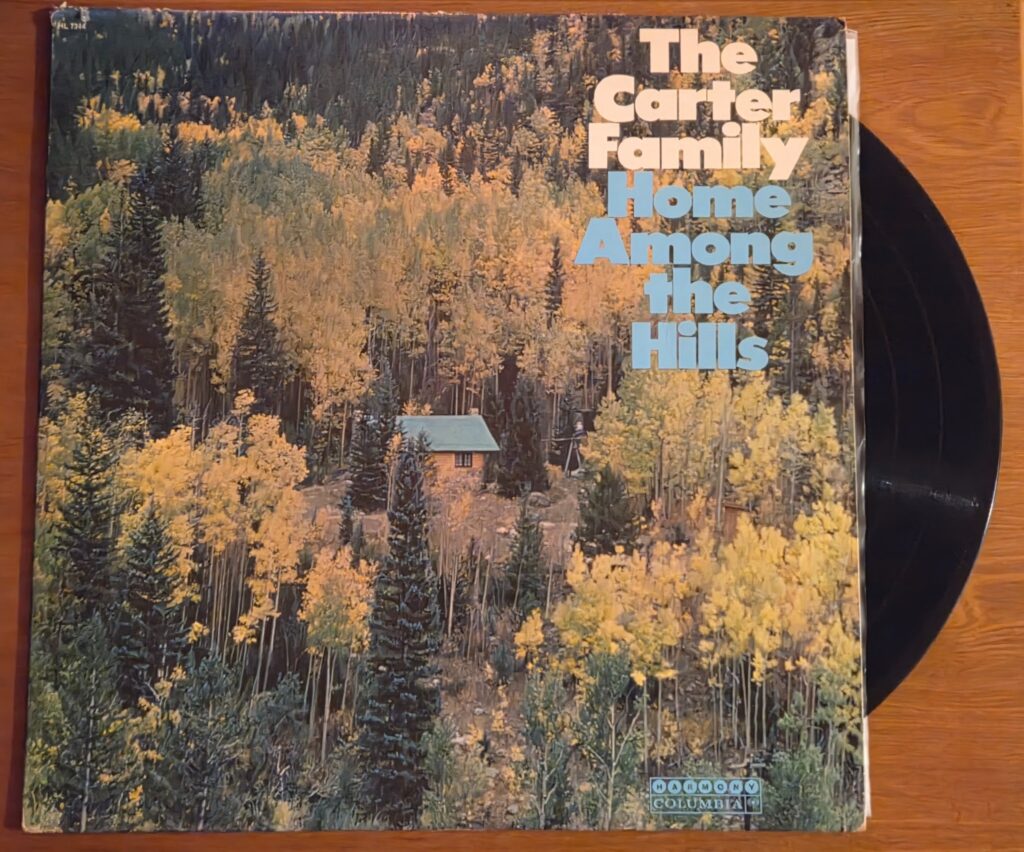
A couple of years ago, after purchasing a record player, I was searching for a cheap and nature-themed record that I might like. I was pulled to an eighty-cent Home Among the Hills (1965) by The Carter Family with its faded album cover of a cabin surrounded by trees. I listen to this record whenever I want to feel connected with nature. It was only as I was doing my research for this blog that I realized that The Carter Family, from southwestern Virginia, is known for writing down and recording, often for the first time ever, traditional Appalachian folk music that has been passed down through generations. They are known as “The First Family of Country Music.” Listening to their music now has so many more layers of meaning for me.
While working on my research for this post, Dolly Parton passed. As an artist and humanitarian, Dolly was not only a creator of Appalachian music, but also an advocate for its people on a holistic level. The fourth of twelve children, Dolly grew up in a small cabin in eastern Tennessee. A deep dive into Dolly’s life can provide a great understanding of both the joys and the struggles often faced by Appalachians.
Other notable Appalachians include poet Wendell Berry, whose recent passing has put a spotlight on his life and legacy, author Barbara Kingsolver, and country music star Chris Stapleton. It makes sense that there are so many famous musicians and artists who come from Appalachia, as music, storytelling, and other arts serve as a strong foundation for the culture.
Geography of Appalachia
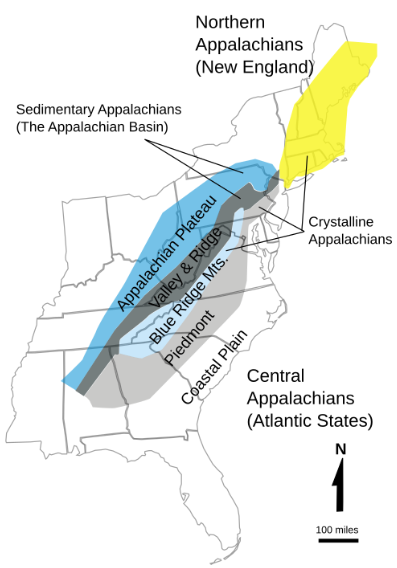
The Appalachian region is loosely defined as southern New York, most of Pennsylvania, southeast Ohio, all of West Virginia, eastern Kentucky, western Virginia, eastern Tennessee, western North Carolina, and northern parts of Mississippi, Alabama, Georgia, and South Carolina. The exact Appalachian region can be defined in different ways depending on who you talk to. Originally, the rugged terrain of the Appalachian Mountains was used to separate European settlers from Indigenous tribes. However, with advances in industry and technology, the settlers began expanding westward into the rest of the country at the expense of the Indigenous people. Some settlers that stayed behind in Appalachia preferred their traditional ways of living in lieu of the advancements the rest of the country was experiencing. For this reason, some regions of Appalachia serve as time capsules today and as reminders that constant advancements in society are not necessarily beneficial for all.
Appalachian Folk Class Traditions
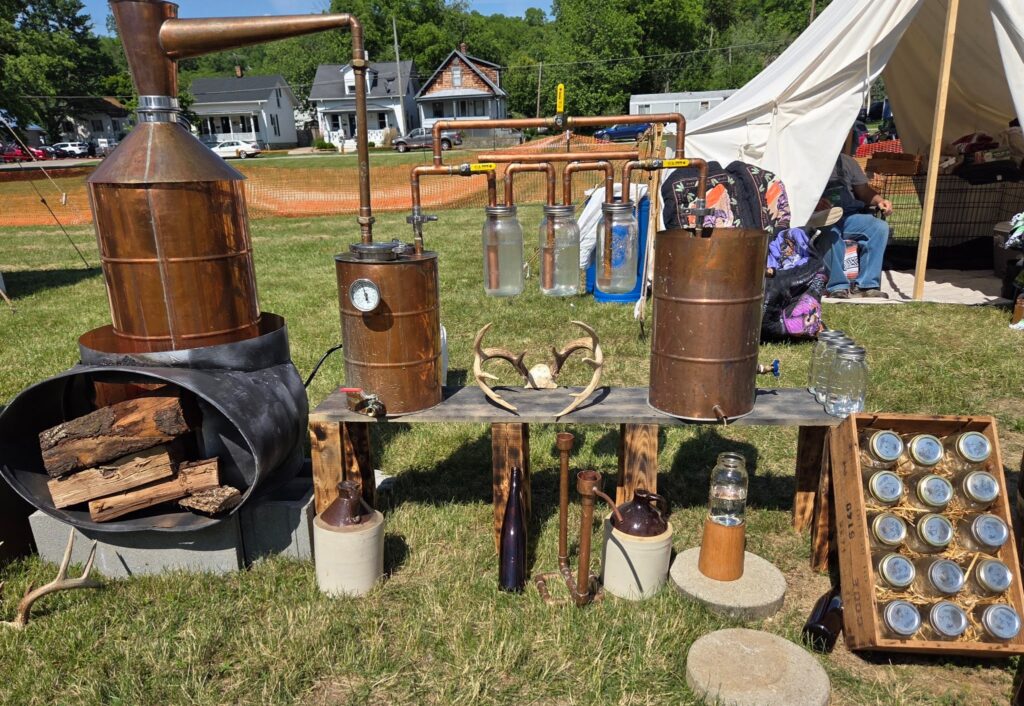
To begin learning about Appalachian traditions, I went to the Appalachian Festival in New Richmond, Ohio. This annual spring festival features many hands-on activities that help attendees learn about the specific ways of life we might think of when we hear the word “Appalachia.” At this festival, I saw tools, brooms, tents, rope, quilts, candles, clothes, and musical instruments ‒ all handmade using natural materials. I met a group called Grassy Roots that seeks to educate children about Appalachian life in the 1830s. I learned about in-ground fires for cooking. I watched performers sing, play instruments, and dance. I shopped for soaps and jewelry. I noticed many different types of people, all stewards of the land with great connections to it.
I then furthered my studies on Appalachian traditions by reading the book Pioneer Children of Appalachia (1986) by Joan Wilkins Anderson. This book sets the scene using pictures of a fictional family working at Fort New Salem, a living history museum in Salem, West Virginia that serves to educate the public about Appalachians’ daily lives in the nineteenth century. The book describes typical foods eaten during this time period including apple butter, rabbit stew, squirrel meat, and corn mush. It also illustrates the typical work an entire Appalachian family would do to prepare for winter: the son and father hunted for food, wove baskets, and collected firewood while the daughter and mother gathered food, preserved it, and made soap out of lye and beef tallow. But no matter how much work there was to do, there was always time set aside for song and dance.
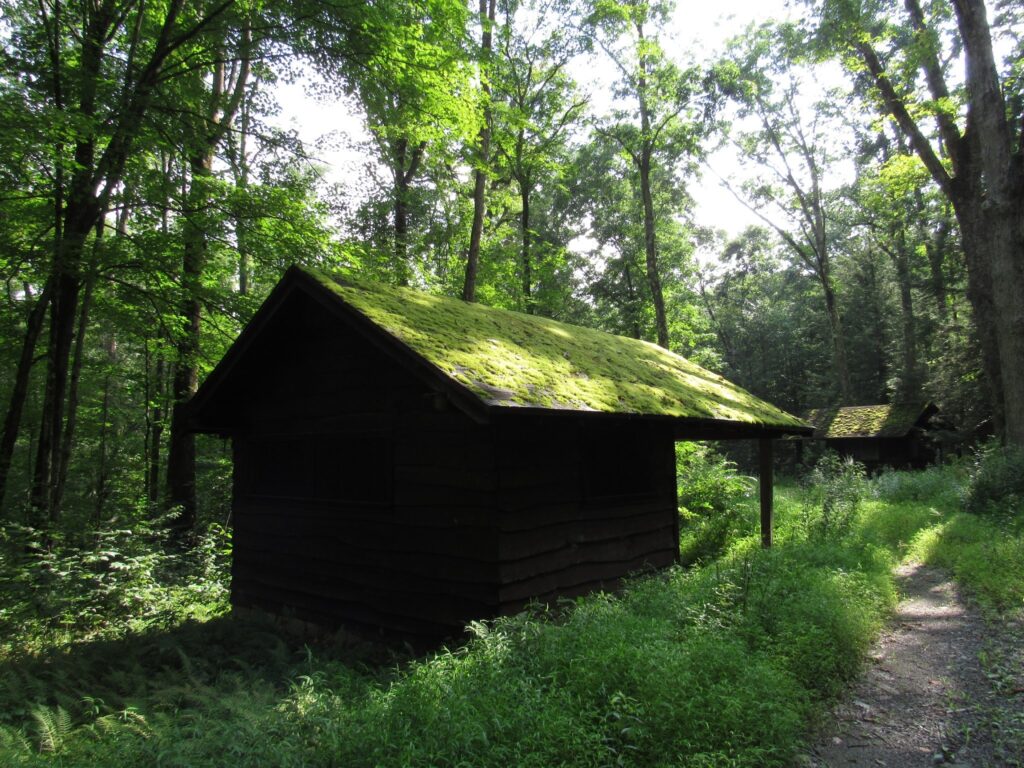
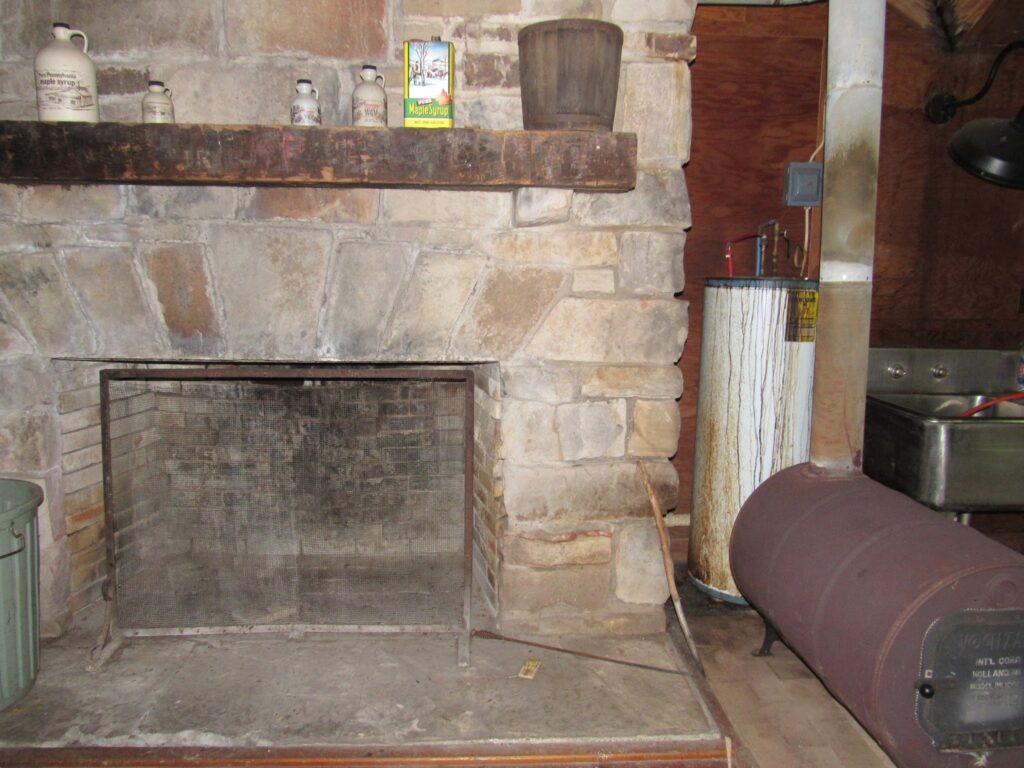
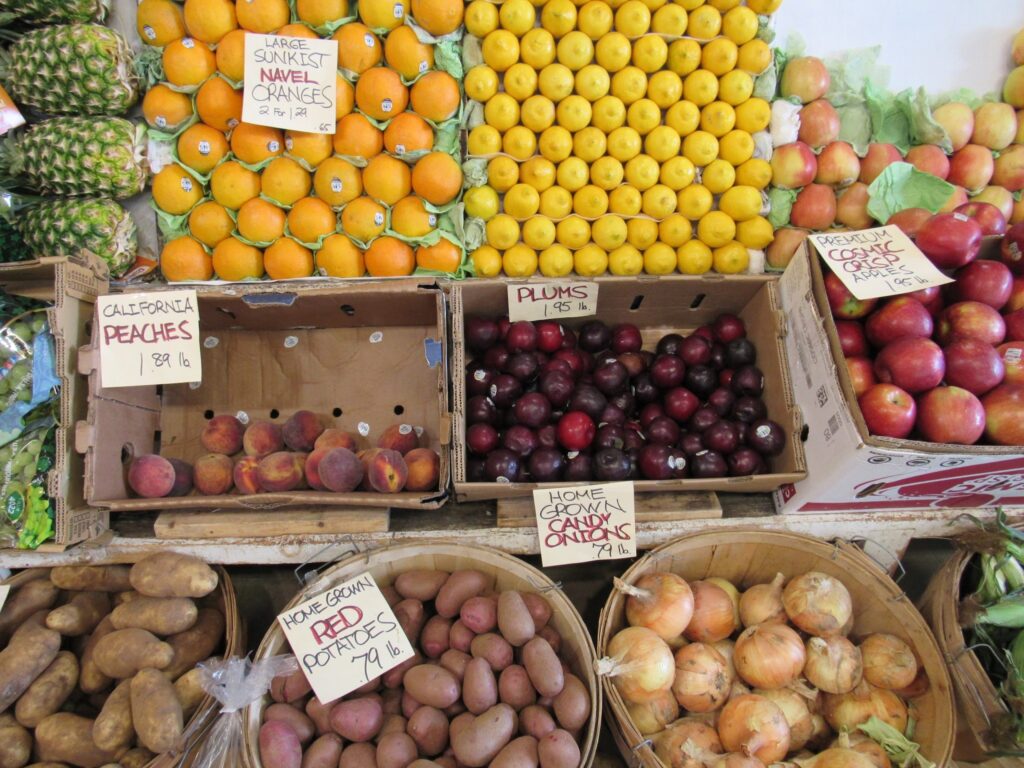
Finally, I vacationed in Somerset, Pennsylvania and Fairmont, West Virginia where I collected and consumed spring water to connect with the land, explored abandoned cabins, searched for my ancestors’ graves, and shopped at local markets and a general store. The Old General Store in Donegal, Pennsylvania was my favorite because it sold a large selection of the preserved foods, household items, country decor, and trinkets that I had been reading about during my studies of Appalachia. There is a certain peace that comes with being so much closer to the land than our modern technological society is, and I am motivated to return to Appalachia as soon as I can in order to further explore and connect.
Misconceptions of Appalachia
Just like the rest of America, there are all types of Appalachian communities ‒ urban, suburban, and rural ‒ and people of all ages, genders, races and ethnicities, intelligences, sexualities, and incomes live in these places. Because this blog post is intended to serve as an introduction to Appalachia for individuals who know very little about it, and because I myself knew very little about Appalachia before I began my research, this post concentrates on the experiences of the folk class, what most outsiders imagine when they think “Appalachia.”
It is also worth noting that throughout history, politicians and corporations have pitted other American citizens against Appalachians while simultaneously exploiting the region and its people for whatever essential ingredient will keep America running, whether it be coal to power the country or AI for the technology race. The narrative that all Appalachians are poor, uneducated, behind the times, and not contributing to society stems from politicians and corporations seeking to portray Appalachians as the enemy or as the population most deserving of help (compared to Black and Indigenous populations), depending on the agenda.
Recommendations for Further Studies of Appalachia
During my research for this post, I read three books which I highly recommend to anyone who wants to learn more about Appalachia. Pioneer Children of Appalachia (1986) by Joan Wilkins Anderson uses pictures and descriptions to explore a fictional family’s life at Fort New Salem as they work to prepare for a long, cold winter. What You Are Getting Wrong about Appalachia (2018) by Elizabeth Catte uses research and the author’s personal Appalachian upbringing to rebuke J.D. Vance’s utilization of Appalachian stereotypes to serve his own political agendas in his controversial book, Hillbilly Elegy (2016). Appalachia: Its People, Heritage, and Problems (1974) by Frank S. Riddel is an anthology of literature with comments added by Riddel describing the reasons that each piece was selected for the book as well as addressing each selection’s shortcomings. The goal of the collection is to educate undergraduates studying Appalachia by providing many different perspectives and studies from both outsiders and insiders.
Another recommended study is of Frank X Walker, 2013-2015 Poet Laureate of Kentucky, who writes about Black and Indigenous Appalachian experiences, which he coined Affrilachia. I recommend the reader check out Walker’s Buffalo Dance (2004) to begin learning about some Appalachian perspectives that are frequently ignored. I also recommend attending the annual Appalachian Festival in New Richmond, Ohio. The next event is set for May 8-9, 2027. Attendees may purchase items from craft and food vendors, listen to and dance to live music, participate in storytelling circles, and view live demonstrations. One might also visit Fort New Salem, the living history museum in Salem, West Virginia to see a portrayal of nineteenth century West Virginian life.
I have found that learning about Appalachia helped me gain a deeper understanding of both America’s history and its current events. I hope that this blog post ignites in its readers a desire to continue learning about Appalachia.