

by Claire Sketch
For many in UACC’s community, going back home is an important part of staying connected to Appalachia. Whether it’s visiting family, volunteering, attending events, taking a vacation, or simply spending time outdoors, returning to the mountains reminds us why this region continues to inspire both urban and rural Appalachians. Many of those trips include visits to our national parks and public lands—places that preserve some of Appalachia’s most breathtaking landscapes while welcoming millions of visitors each year. Yet, like so much of Appalachian history, these places also have complicated histories and stories. As I learned more about the histories of two of Appalachia’s most beloved national parks, I found myself reflecting on the complexities behind the places we admire and the stories they have to tell.
In 1872, Yellowstone became our first national park. Since then, the national parks system has grown to include 63 parks with the mission to preserve and maintain the natural and cultural resources of the land. The national parks service strives to ensure the longevity of the parks in order to provide current and future visitors with enjoyment and education. Appalachia boasts a number of these parks as well as scenic trails and historic recreation areas. Shenandoah National Park and The Great Smoky Mountains National Park are two beautiful examples. Each park contains protected lands which include mountains, waterfalls, forests, and biodiverse flora and fauna that attract millions of visitors every single year. And while it’s not difficult to see the beauty of their scenery, the importance in their protection, and the merits of their existence, both parks have complex beginnings that include the displacement of communities.
Shenandoah National Park
The Blue Ridge Mountains run through Shenandoah National Park, and you can ride along the ridges on Skyline Drive, a 105 mile long road that runs the length of the entire park. With over 500 miles of trails within the park, horseback riding, back country camping, and designated wilderness, the park has so much to offer visitors of all kinds.
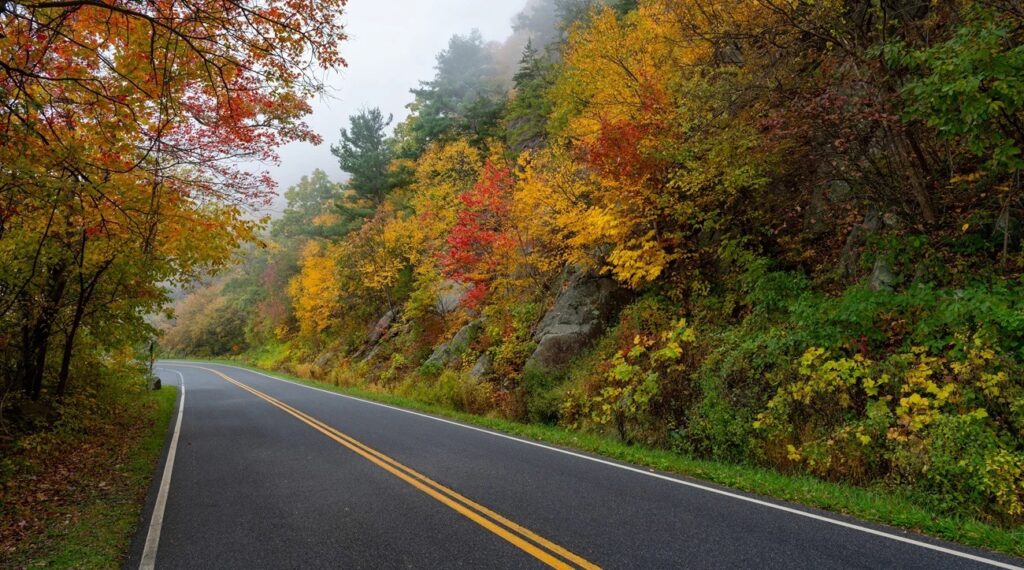
The Shenandoah Valley has evidence of native life stretching back thousands of years. In the 1600s, Iroquois dominated the valley, and tension escalated between them and expanding settlers in the area. In 1722 a treaty between the Iroquois and Virginia’s governor stated that the Blue Ridge Mountains would act as the dividing line between Virginia and Iroquois lands. Settlers, however, continued to push across the mountains and in 1744 the Iroquois sold their rights to the valley.
In the 1930s Shenandoah National park was pieced together from over 3,000 tracts of land, a process which displaced at least 500 families. When locals did not want to sell or leave their land, the argument was made that the people living there were too isolated from 20th century life, a fact that evidence later showed to be exaggerated in order to persuade the residents to leave and influence public opinion. This took many farming communities and uprooted them, causing the need to find work in factories, in places that were not their home. To “make” the park many of the preexisting buildings were dismantled and plants brought in to cover the evidence of existing human life. In an article exploring this displacement, Mike Wold comments that “the American ideal of wilderness of a land empty of and untouched by people ignores indigenous use, as well as the people who mined, settled, farmed and hunted in these lands.”
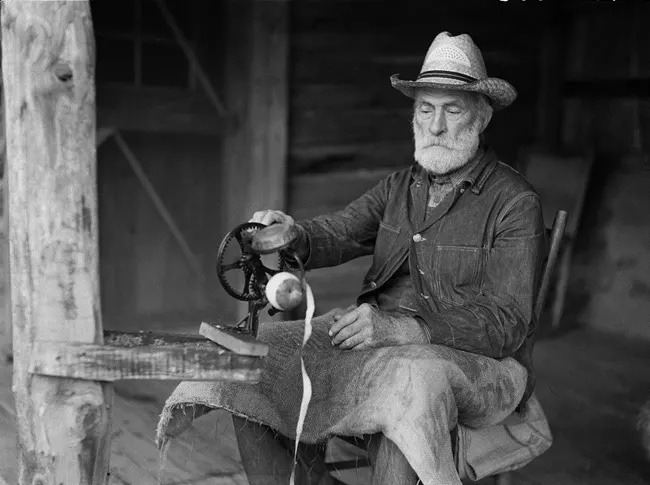
The park was also initially segregated, and mostly contained facilities for white people. It became desegregated in the 1950s. The park itself is all too aware of its complex past, which feels important in its ability to acknowledge and grow. Per the park’s website: “while emphasizing the complexity of pre-park life, the recent archaeological research has clearly contributed to overturning the negative history of the region and helped to return it to the control of the displaced and their descendants. The challenge now is to continually strive for accuracy in our understanding and presentation of the park’s complex historic past while remaining ever aware of the impact of the past upon the present.”
Great Smoky Mountain National Park
The Great Smoky Mountain National Park is one of the most visited parks in the country. 522,419 acres of land that include parts of the Great Smoky Mountains, the Blue Ridge Mountains, and the Appalachian Temperate rainforest. In 1985, the park became a UNESCO World Heritage Site and is home to many endangered animal species as well as the greatest variety of salamander species in the world.
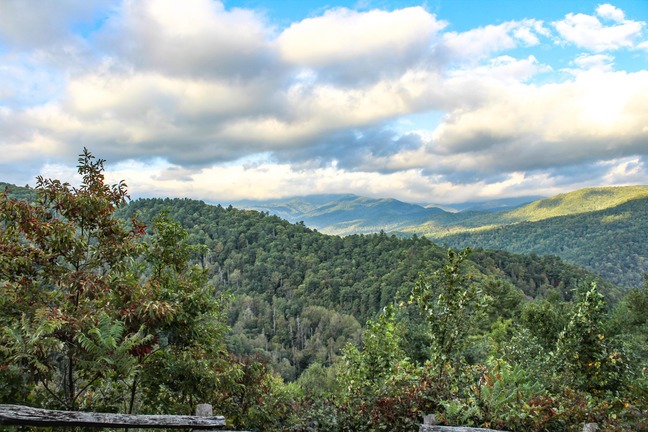
The Eastern Band of Cherokees have deep ties to this land. As the presence of European settlers grew, so did conflict and in 1838, most of the Cherokee were forcibly removed and held in stockades during the Trail of Tears.
Similar to the process of forming Shenandoah National Park, more that 1,200 land-owners had to leave their homes once the Great Smoky Mountain National Park was established.
The United States: Beautiful Land, Complicated History
In reading about these parks, I’ve come across people grappling with coming to terms with the true history about their favorite parks. I’ve come across descendants of people who were removed, mourning and working to honor a past they never knew. It feels deeply connected with our history as a country in looking at the lives built on stolen land. I think what we must do with these parks and the U. S. is acknowledge the duality of the good and the terrible. Our job is not to look away or make excuses, but to accept both things to be true.