
By Claire Sketch
The first signs of spring near my little house in Covington, Kentucky, are daffodils. Initially, the sprouting of their hardy green leaves and then one by one pops of buttery yellow. Dandelions, of course, litter the yard. Crocuses peek out in patches of grass that have lost their winter dullness. The pink magnolia across my street blooms intensely. My house feels different to me in spring. The old wood of the doorways and floors groans in a way it only groans in springtime.
Spring cleaning surely looks a little different for all of us. Maybe you put away winter clothes or decorations. Maybe you have a habit of doing deep cleaning and decluttering in springtime. Maybe you have a specific way to polish your silver, the way your mom taught you. All over the world and even within smaller communities, the way we welcome spring may differ in the details, but usually all culminates in the need to clear out the old and welcome the renewal of the season. Appalachia has a rich history of tradition and belief around springtime cleaning. Not only a time of physical cleaning, but it also presents an opportunity to clear away the stagnant energy or sickness that builds up during wintertime, giving way to the opportunity to invite in new blessings and energies for the season.
Letting the House Breathe
Often, the first step in spring cleaning involves opening all the windows and doors to let out the stale air of winter. I’ve seen this referred to in many ways: “letting the house breathe” and “waking up the house.” Whatever you call it, it’s an integral step in airing out the dust, grime and buildup of a season spent with the house closed off, often heated by fire. After the house is opened up, the rugs are to be taken out and beaten, along with the mattresses, to get fresh air. The walls and windows receive a thorough washing, often with a mixture of vinegar to help disinfect. It’s common to sing hymns or even recite bible verses while this takes place, verses from Psalms tend to be particularly favored.
Brooms and Sweeping
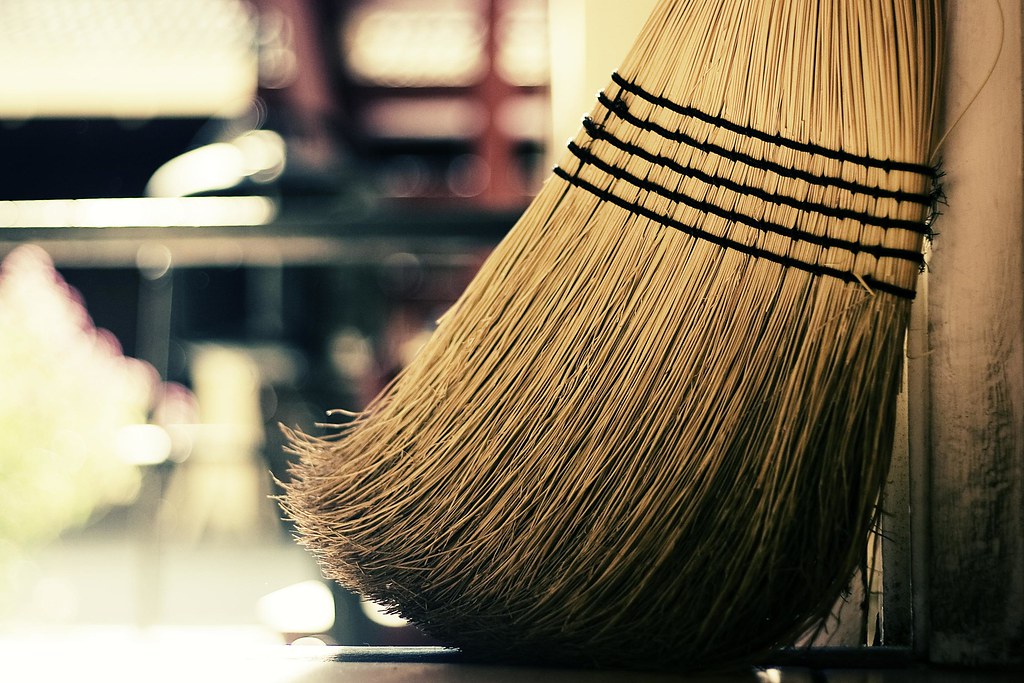
Brooms and sweeping hold a lot of importance in Appalachia. Broom making is a heritage craft, and many still make their own artisanal brooms for use and decoration. Hearth brooms and sweeping brooms are made from broom corn, which also symbolizes luck and prosperity for the home. Traditionally, the way you sweep the home matters. It’s best to start at the back of the house and move toward the front door. This pattern ensures you are clearing out the dirt as well as any bad energy that may have taken root in the home during winter. You also want to sweep it out and away from the house so as not to drag anything back in.
Spring Tonics
Spring tonics were, and still are, an integral part of springtime tradition in Appalachia and a way to connect with the changing earth during the new season. Sweet tonics include sassafras, spice bush, cherry bark, and black or sweet birch. To make a tea of sassafras, you gather roots and twigs, wash and then boil them, strain, and sweeten. Bitter tonics include a lot of wild greens like wild lettuce, dock, dandelion, burdock, poke, wild onion, and ramps. It’s an important part of caring not only for the home but for the body—to get a burst of vitamins and minerals from the native plants that start to grow during this time. These tonics help strengthen the immune system and clear away the cobwebs of winter. In an interview with Bessie Bolt in The Foxfire Book of Appalachian Cookery, she says, “My mother told me that an old doctor said that if you eat three messes of poke in the spring it would doctor away any fevers. It killed all the poison from the stomach and body. The way I cook poke is I boil it, squeeze it out, and pour oil in it.” Many people still support the benefits of these spring tonics, insisting that the body, not just the home, needs its own spring cleaning offered by these wild foods.
Your Own Spring Traditions
My spring traditions are not handed down from generations past, but I still love them all the same. The vibrant syrup made from violets from my backyard sweetens tea. My windows are open as I write this, and a cool breeze comes in after a week with highs in the 80s. I’ve foraged greens (purple dead nettle and dandelion leaves) to add to salads and soups. I make a playlist of songs that feel like morning sun in spring and have it on repeat. Wherever you are, whatever your traditions, make an effort to release whatever staleness winter left behind and then connect to the land and people around you.
Featured image source: flickr.com/photos/kaiton/3623077649
Claire Sketch is a writer from Covington, Kentucky. Her degrees in French and Film solidified her love of language, storytelling, and creative expression. She primarily writes poetry and prose in which she explores identity, connection, nature, and transformation. She is starting a craft project she will definitely finish.